
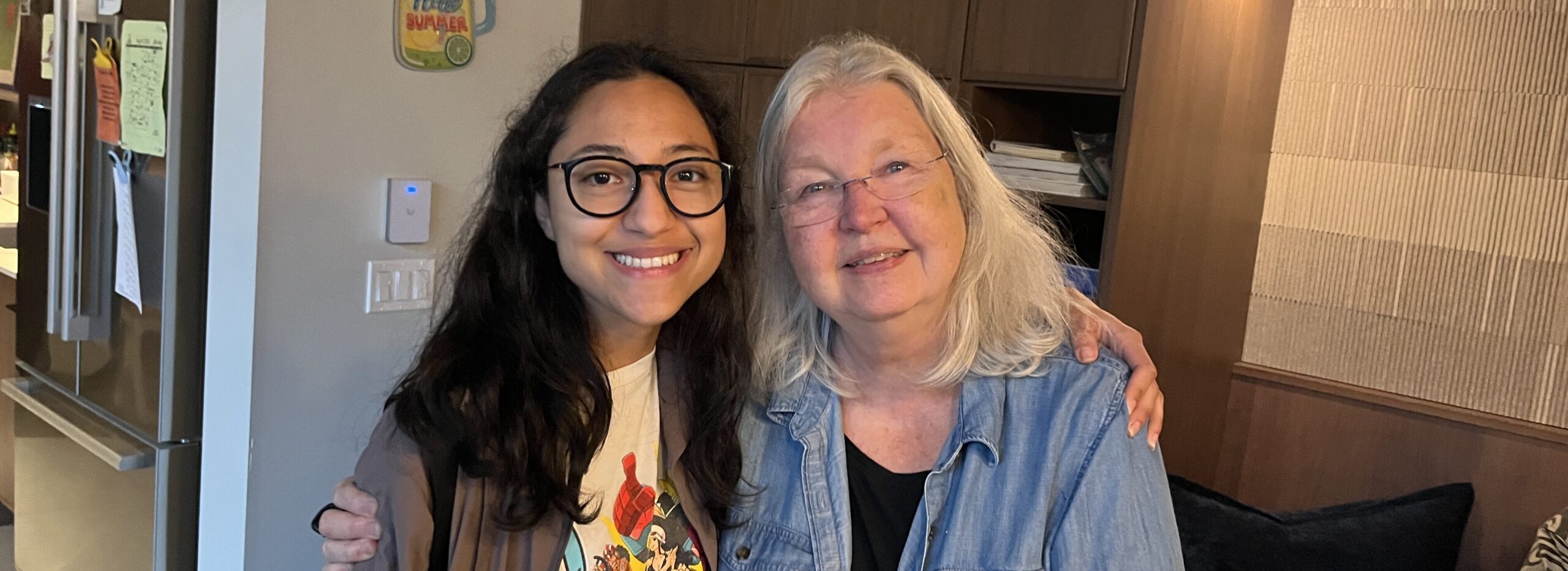
On the Thursday before Easter I had the honor of attending the community’s foot washing ceremony, a first for me. I had previously attended Maundy Thursday services at my church, but never in the living room among core members and assistants. It was an experience I will always treasure. I was paired by proximity with Andrea, a core member who I have met but certainly did not know well. After Matt led us through a poignant liturgy and explained the message of this ritual, Andrea busied herself gathering the water pitcher, the basin and a towel and began to pour the water over my foot (oh, this first water was cold!). As she gently held and rinsed first one foot, then the other, she verbally blessed me, quietly prayed for me. In my previous church rituals, it was held in silence with nary a whisper, in sadness and grieving. So hearing her gracious words and humble care brought tears to my eyes. Then I had the opportunity to wash her lovely feet, bless her, and pray for her. It was one of the most grace-filled and profound experiences of my year.
Feet are the lowest part of the body. In middle eastern cultures, one must not show another person the soles of one’s feet – it is an insult, a sign of true contempt. In Jesus’ time, the feet of those who traveled or followed their teachers/leaders would get dusty, dirty, and contaminated by walking along pathways frequented by many people, livestock and horses. When one arrived to another person’s home, they had to have clean feet to enter so as not to contaminate the dwelling place. The responsibility for washing off the dust, dirt and filth was the job of the lowest servant. Having that job was not favored; the servant would much rather have the task of providing a visitor with food or doing another ‘clean’ task – one that would not also contaminate the servant who was washing filthy feet.
Today we do not walk around dusty, manure-laden paths with our feet wearing only sandals. We have soft grass, concrete, and sturdy shoes to wear should we choose. Nor do we practice the apprenticeship of physically following a teacher or a person we highly value. Our feet do not get dirty and contaminated by the same substances as those in Jesus’ time. But we do get our “feet” dirty and contaminated by what we do choose to follow in this modern age. We are living in a time of discord, distrust, competition, lies, hatred, and fear. Political, social and cultural forces all war against each other and strive for our attention, our energy, our devotion. We follow causes, people, and ideas that are calling to us in enticing ways. Cultural patterns and practices are constantly shifting and draw us to follow ‘this’ one day and ‘that’ another day. We wander, we explore, we seek, and we get dirty and contaminated in the process. And our feet need to be washed – we need to get clean again and again, to better live and love freely.
Physically washing another person’s feet is perhaps not the daunting part, as we regularly help core members and others wash. Perhaps the unsettling part of the foot washing is letting someone wash our feet. They would have to get close, see and even touch the places of dust, dirt, contamination we have walked in and through, places and things we have experienced and experimented with. Having one’s feet washed is intimidating in its vulnerability and transparency. Do I want you to see where my feet have been? Do I want you to smell what I have walked in, whether I have tiptoed in it (and it has gotten between my toes) or I have stood firmly in it (grounding myself in the muck and mire of my “free choice”)? Do I want you to see evidence of where I have been? Do I want you to really see me?
Washing another’s feet sends the message that you love and accept them as they are, because they are worth your care and attention. Foot washing is an act of humility, honoring the most vital, primitive, unsightly parts, to convey support, respect, and, most of all, trust. Practically you must trust the one who holds your nasty foot to gently wash the dirt and stains from its crevices to make you clean, to restore you to relationship and a loving space.
In our daily lives, may we embrace the spiritual posture of washing one another’s feet, that we may risk the opportunity to look carefully at our own feet, where we have been stepping, walking, and standing, and to let Someone clean, restore, and heal you. May we accept the lowly task of washing one another’s feet with the acceptance, love, and dignity they deserve because they, like you, are beloved by God.